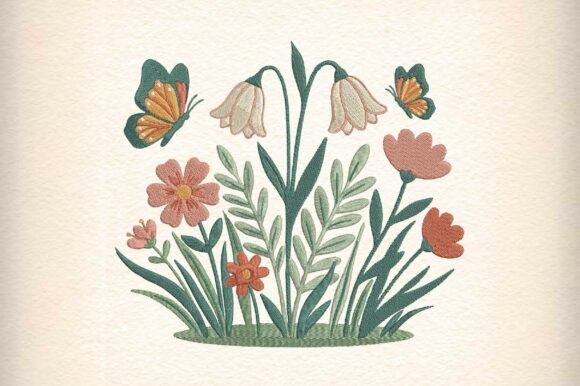
Spring Flower Garden Embroidery Design Review
As an embroidery designer who has spent countless weekends behind a folding table at local craft fairs, I have learned that not every pretty pattern translates into a bestseller. When I first loaded the Spring Flower Garden Embroidery Design onto my machine for a test run, I was looking for more than just aesthetic appeal. I was evaluating its potential as a high-converting craft fair product. This review is written from the perspective of a maker preparing for a busy spring market season, focusing on what actually sells, what looks premium in person, and what is practical to produce in batches.
First Impressions: Elegance Meets Marketability
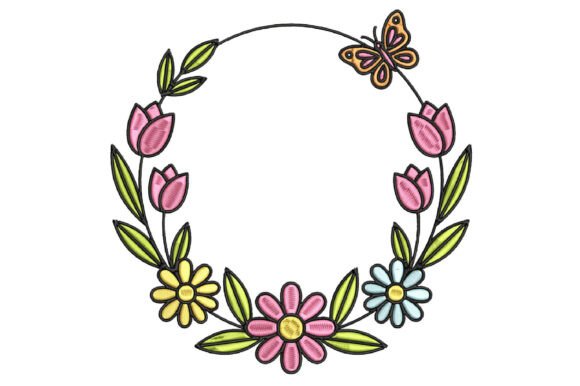
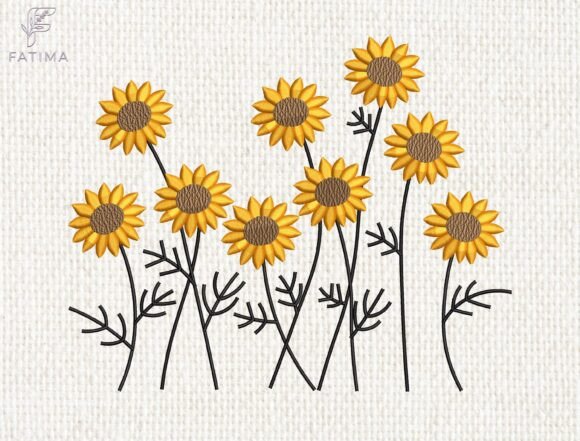
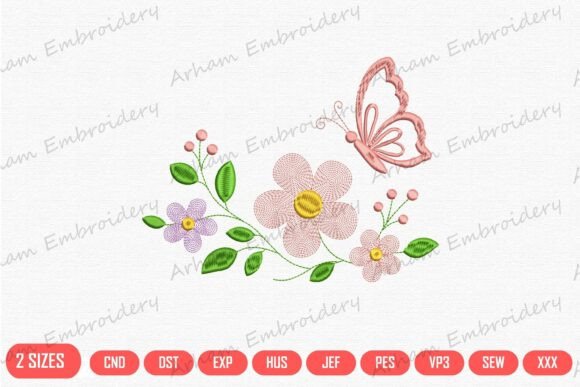
The immediate vibe of this Floral Garden collection is one of refined elegance mixed with approachable charm. It does not scream "loud" or "novelty," which is often a trap for new sellers. Instead, it feels soft, decorative, and timeless. The combination of blooming flowers, graceful butterflies, and fresh greenery creates a balanced composition that appeals to a wide demographic. For a boutique maker, this is crucial. You want a design that attracts the grandmother looking for a gift, the young professional wanting a chic tote, and the homemaker seeking kitchen decor.
In terms of style, it leans towards a modern farmhouse aesthetic but remains versatile enough for minimalist branding. The lines are clean, suggesting that the machine embroidery design has been well-digitized to avoid excessive jump stitches or messy backtracking. This initial visual assessment tells me that the finished product will look professional, which is the number one factor in justifying a higher price point at a handmade market.
Product Versatility and Booth Display Strategy
When planning my booth inventory, I evaluate where a design performs best. The Spring Flower Garden Embroidery Design shines on larger, flat surfaces. Here is how I would deploy it across different product categories:
- Tote Bags and Market Bags: This is arguably the strongest application. A large-scale version of this design centered on a canvas tote creates an instant statement piece. It serves as both a functional item and a walking advertisement for your brand.
- Apron Embroidery: Placing the floral cluster on the bib or the lower corner of a linen apron adds significant value. It transforms a basic utility item into a giftable keepsake.
- Tea Towel Embroidery: Kitchen textiles are staple sellers. However, caution is needed here regarding fabric texture. The design must be scaled appropriately so the details do not get lost in the weave of the towel.
- Pillow Covers: Using this as a focal point on a neutral throw pillow allows the thread colors to pop. It works exceptionally well for spring home decor collections.
- Embroidered Patches: If the design holds up at a smaller scale, turning it into an iron-on patch is a brilliant way to create a low-price-point impulse buy for younger customers.
For an Etsy seller, this versatility means you can create multiple listings from a single digital embroidery file. You can showcase the design on a cap, a bag, and a wall hanging in your printable mockup gallery, maximizing the return on your design investment.
Production Practicality and Stitch Density
Beauty means nothing if the design is a nightmare to produce. From a production standpoint, I look closely at stitch density. If the greenery is too dense, it can cause puckering, especially on lighter fabrics like cotton tea towels. Before running a full batch, I always recommend testing the design on scrap fabric identical to your final product. Check the back of the hoop; if it looks like a solid block of thread, you may need to adjust your tension or use a heavier cut-away stabilizer.
The inclusion of butterflies suggests fine details. While beautiful, these delicate wings can be prone to breaking if the stitch count is too low or the threads are cheap. I advise using high-quality rayon or polyester threads to ensure the sheen complements the elegant nature of the flowers. Additionally, consider the hoop size required. If the design requires a 5x7 or larger hoop, ensure your machine can handle it efficiently, as larger hoops mean longer cycle times per unit.
Navigating Fabric and Texture Challenges
One critical consideration for this specific design is the interplay between the intricate greenery and fabric texture. On thick, textured towels, small leaves might merge into a blob. In such cases, simplify the placement or choose a smoother fabric like linen-cotton blends. For curved surfaces like caps, the design needs to be carefully positioned to avoid distortion. The butterflies, being lighter elements, might get lost on dark fabrics unless you use underlay stitches effectively or choose contrasting thread colors.
If you are considering this for commercial embroidery runs, consistency is key. Ensure that your embroidery file is optimized for speed without sacrificing quality. A design that takes forty minutes to stitch is less profitable than one that takes fifteen, provided the visual impact remains strong.
Visual Appeal and Customer Engagement
At a craft fair, you have seconds to capture attention. The Spring Flower Garden Embroidery Design works because it is instantly recognizable as "spring." It evokes feelings of renewal and warmth. When displayed on a booth table, these positive emotions drive engagement. Customers are more likely to pick up an item that feels cheerful and inviting.
Furthermore, the design supports brand consistency. If your shop focuses on nature-inspired goods, this pattern reinforces your identity. It does not look like a generic clip-art addition; it looks like a curated design asset created with intention. This perceived effort increases the perceived value of the handmade product, allowing you to charge what your time is worth.
Essential Pre-Production Checklist
Before you commit to producing fifty units for your next market, follow these practical steps to ensure success:
- Test on Scrap Fabric: Never skip this. Verify that the design registers correctly and that there are no thread breaks.
- Check Thread Contrast: Ensure the butterflies stand out against the flowers. If the colors are too similar, the design loses depth.
- Review Spacing: Make sure there is enough negative space. Overcrowded designs look cheap and cluttered.
- Confirm Hoop Size: Know exactly which hoop you need so you can prepare your stabilizer cutting templates in advance.
- Inspect Stitch Density: Feel the sample. Is it stiff? If so, reduce density or change stabilizer types.
- Create Real Mockups: Photograph the actual stitched item, not just the digital preview. Buyers trust real photos.
- Compare Fabric Colors: Test the design on white, cream, and pastel fabrics to see which background makes the colors sing.
- Verify Licensing: Always confirm the commercial license terms of the digital embroidery file before selling any small shop product made with it.
In conclusion, the Spring Flower Garden Embroidery Design is a strong contender for any spring-focused collection. It balances aesthetic beauty with commercial viability. By paying attention to production details like stabilizer choice and fabric texture, you can turn this charming pattern into a profitable line of tote bag design options, kitchen linens, and accessories that customers will love to take home.