Review: Wildflower Garden Embroidery Design
As a designer who has spent countless hours digitizing patterns and testing files on various machines, I approach every new machine embroidery design with a mix of curiosity and caution. We have all been there: you download a file that looks stunning in the preview, only to find it turns into a bird’s nest of thread breaks and puckering once it hits the fabric. That is why I took the time to thoroughly evaluate the Wildflower Garden Embroidery Design before committing it to any client work or personal projects.
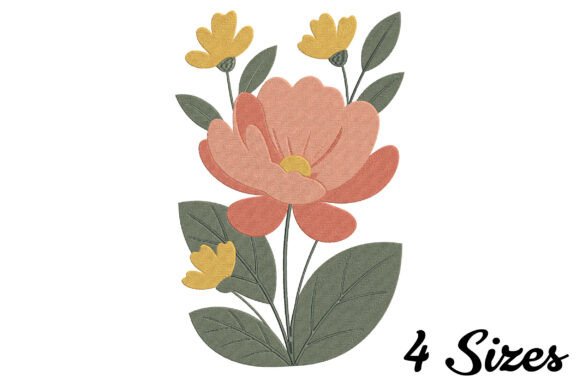
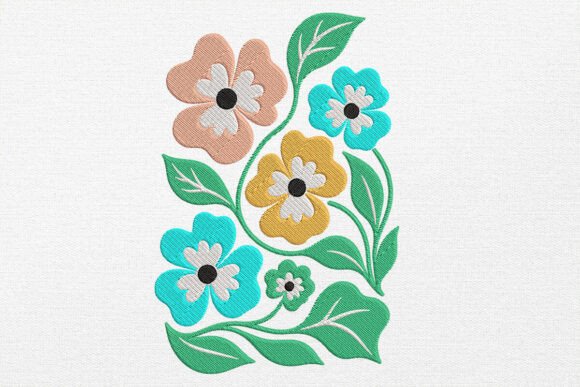
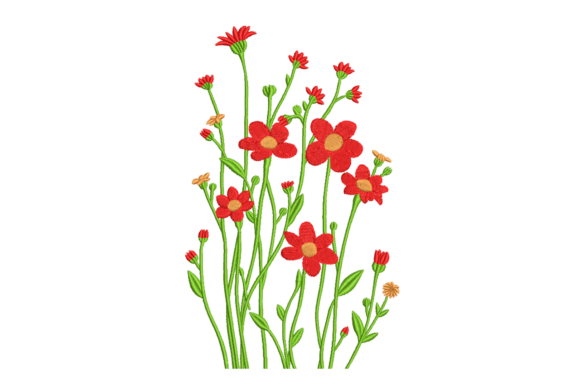
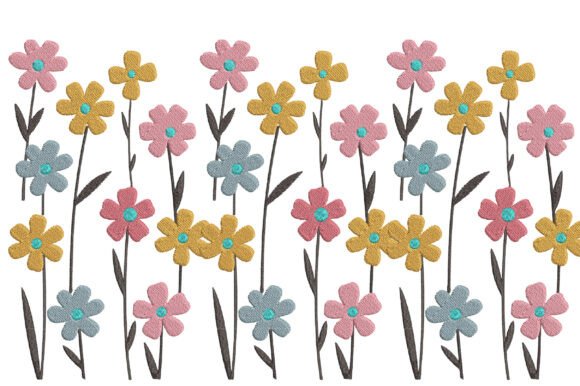
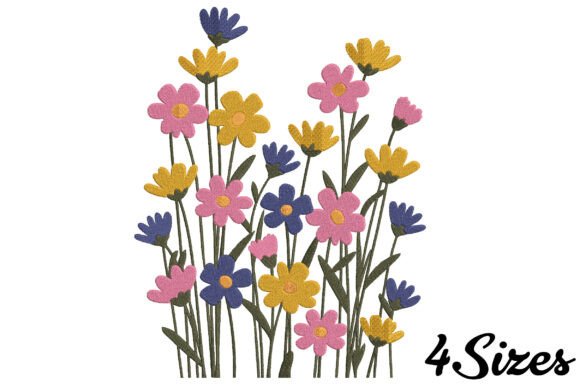
The first impression of this design is undeniably charming. It captures the whimsical, untamed beauty of a blooming meadow without feeling chaotic. For those of us in the craft business, finding a balance between intricate detail and stitchability is crucial. This design leans into a natural, organic aesthetic, featuring a vibrant collection of colorful wildflowers and delicate blossoms. It does not scream for attention with harsh lines; instead, it invites the viewer to look closer at the subtle variations in petal shapes and leaf curves. This visual personality makes it an excellent candidate for products that aim to evoke warmth, nostalgia, or a connection to nature.
Real-World Application: The Tote Bag Test
To truly understand how this embroidery file performs, I needed a real-life scenario. I decided to test it on a canvas tote bag, a staple item for many Etsy sellers and boutique owners. Canvas is forgiving, but it can be tricky if the stitch density is too high, leading to stiffness. I hooped the fabric with a medium-weight cut-away stabilizer to ensure stability during the stitching process.
The result was impressive. The design sat flat against the fabric, with no significant puckering around the edges of the flowers. The transition between the different floral elements felt seamless. For a tote bag design, this is critical because customers want something that looks professional and durable, not like a homemade experiment gone wrong. The thread colors I chose—soft lavenders, muted yellows, and sage greens—blended beautifully, proving that this design is versatile enough to work with both bold and pastel palettes. It transformed a plain utility item into a desirable handmade product that could easily command a higher price point in a small shop product lineup.
Versatility Across Product Lines
Beyond tote bags, I considered where else this design would thrive. The organic shape of the wildflowers makes it a strong contender for sweatshirt embroidery. When placed on the left chest area of a crewneck, it adds a touch of femininity and elegance without being overpowering. However, I would advise adjusting the size slightly to ensure it does not get lost in the texture of fleece or French terry cloth.
For those specializing in baby embroidery, this design could be adapted for nursery decor or baby blankets. The soft, flowing lines are gentle and appealing for children’s items. However, caution is needed regarding stitch density. Babies have sensitive skin, so ensuring the back of the embroidery is smooth and not scratchy is paramount. Using a soft tear-away stabilizer and possibly covering the back with a light fusible interfacing could make this design safe and comfortable for infant wear.
I also see potential in the wedding market. While the category is listed under Wedding Flowers, it is not a traditional bridal bouquet. Instead, it fits perfectly for bridesmaid gifts, such as embroidered robes or personalized handkerchiefs. It offers a rustic, bohemian vibe that is currently very popular in modern weddings. As an embroidery project for bridal parties, it feels fresh and less rigid than classic rose motifs.
Technical Considerations and Fabric Choices
While the design is robust, it is not without its limitations. Experienced designers know that not every fabric is a suitable canvas. I would hesitate to use this specific layout on very thin or stretchy fabrics like silk chiffon or lightweight jersey without extensive stabilization. The intricate details of the delicate blossoms require a stable base to maintain their shape. If you attempt this on a curved surface, such as a cap, you must be mindful of the hoop size and the distortion that can occur. An embroidered patch might be a safer alternative for hats, allowing you to stitch the design on a stable backing before applying it to the garment.
Another factor to consider is the hoop size. Ensure that your machine’s hoop can accommodate the full width of the garden arrangement. If you need to resize the design significantly, be aware that shrinking it too much may cause the satin stitches to merge, losing the definition between individual flowers. Conversely, enlarging it too much might expose the underlying fill stitches, making the design look sparse. Always check the recommended dimensions provided with the digital embroidery file before resizing.
Enhancing Brand Value and Customer Trust
From a business perspective, the quality of your design assets directly impacts customer trust. A clean, well-digitized design like the Wildflower Garden Embroidery Design enhances the perceived value of your finished product. When customers see crisp lines and consistent stitching, they associate that quality with your brand. This is particularly important for commercial embroidery projects where consistency across multiple items is key.
Using this design in your printable mockup previews can also boost engagement. The vibrant colors and recognizable floral shapes photograph well, making them ideal for social media marketing. Whether you are selling custom apparel or home decor, the visual appeal of this design can help your listings stand out in a crowded marketplace. It signals to buyers that you care about aesthetics and quality, which can lead to higher conversion rates and repeat business.
Practical Designer Notes for Best Results
Before you start stitching, here are a few practical tips to ensure success:
- Test on Scrap Fabric: Always run a test stitch on the same type of fabric you plan to use for the final product. This helps you identify any tension issues or registration errors.
- Check Thread Contrast: Use high-quality threads that complement each other. Poor color choices can make the design look muddy, especially in the denser areas of the garden.
- Review Stitch Density: If your machine allows, review the stitch count and density settings. You may need to adjust pull compensation depending on your fabric type.
- Inspect Small Details: Zoom in on the digital preview to check for tiny, isolated stitches that might cause thread breaks. Trim jump stitches carefully after embroidery.
- Confirm Licensing: If you plan to sell items made with this design, verify the license terms. Most designers allow commercial use for finished physical items, but restrictions may apply to digital resale.
In conclusion, the Wildflower Garden Embroidery Design is a versatile and visually appealing asset for any embroiderer’s library. It balances artistic flair with technical practicality, making it suitable for a wide range of applications from holiday embroidery gifts to everyday personalized gifts. By understanding its strengths and limitations, you can leverage this design to create high-quality, profitable products that resonate with your customers. Whether you are a seasoned professional or a hobbyist looking to elevate your craft, this design offers a reliable foundation for beautiful, nature-inspired creations.