Review: Line Art Minimal Floral Butterfly Design
As a designer who spends more time staring at stitch maps than actual fabric, I have learned that simplicity is often the hardest thing to execute well in machine embroidery. When I first pulled up the Line Art Minimal Floral Butterfly file on my screen, my initial reaction was one of cautious optimism. In a market saturated with overly complex, dense designs that eat up thread and time, there is a refreshing honesty to minimal line art. This piece promises elegance without the bulk, but does it hold up when the needle actually hits the fabric? After running several test hoops and integrating it into a recent client project, I am ready to share my practical assessment for fellow embroidery designers, Etsy sellers, and craft entrepreneurs.
The Aesthetic Appeal and First Impressions
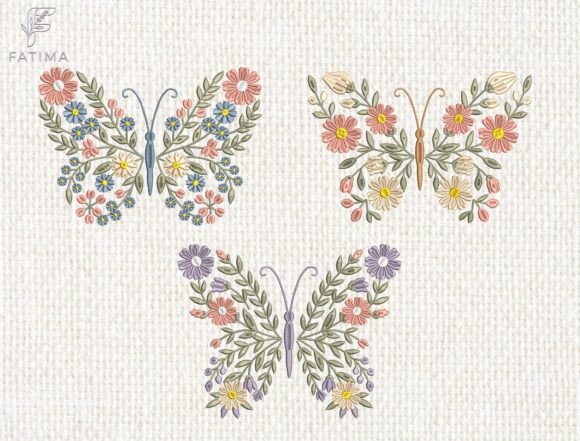
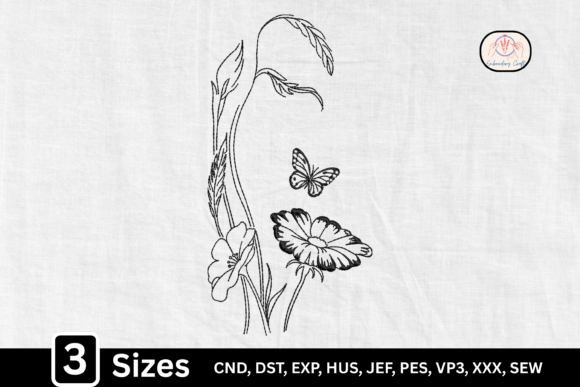
The visual personality of this design is defined by its restraint. It falls squarely into the modern botanical trend, blending organic floral elements with the delicate structure of a butterfly. For those of us working in the Bugs Insects category, finding a design that feels sophisticated rather than cartoonish is a constant challenge. This embroidery file succeeds by relying on clean lines and open space rather than heavy fill stitches. The mood it creates is airy, feminine, and timeless. It does not scream for attention; instead, it invites a closer look. This subtlety makes it an excellent candidate for high-end boutique branding or personalized gifts where the recipient appreciates understated luxury over flashy graphics.
From a layout perspective, the balance between the floral components and the butterfly wings is well-considered. The negative space is just as important as the stitching here. This openness means the design breathes well on fabric, avoiding that stiff, cardboard-like feel that often plagues densely stitched machine embroidery design projects. For a crafter or small business owner, this translates to a softer hand feel on the finished product, which is a significant selling point for apparel and baby items.
Real-World Application: The Tote Bag Test
To truly evaluate the utility of this design, I applied it to a real-life scenario: a custom order for a set of canvas tote bags intended for a local bridal shower. The goal was to create a cohesive, elegant look that would serve as both a favor and a usable item. I chose a natural, unbleached cotton canvas to highlight the contrast of the thread. Here, the Line Art Minimal Floral Butterfly shined. Because the design relies on line work, likely utilizing a combination of running stitch and light satin stitch accents, it did not distort the fabric. Heavy designs can pull and pucker canvas, but this minimal approach kept the bag flat and professional.
I also tested the design on a heather grey sweatshirt. This is a common request for custom apparel businesses. On the textured surface of the fleece, the clean lines remained distinct. However, I noticed that thread choice became critical. A matte cotton thread blended beautifully with the casual vibe of the sweatshirt, while a shiny rayon thread gave it a more dressy, boutique appearance. This versatility is a major asset for Etsy sellers who need one design to appeal to multiple customer aesthetics. Whether you are creating sweatshirt embroidery for a college sorority or a delicate accent for a linen apron, this design adapts without losing its identity.
Technical Considerations and Stitch Performance
While the aesthetic is strong, the technical execution requires attention to detail. Since this is a line-art style piece, the integrity of the design depends heavily on your stitch density settings and machine tension. If your tension is too loose, the lines may look gappy or uneven. I strongly recommend testing the design on scrap fabric identical to your final material before committing to a saleable finished product.
One area where caution is needed is with very thin or stretchy fabrics. While minimal designs are generally lighter, the lack of dense fill means there is less structural support within the stitching itself. Using a high-quality cut-away or tear-away stabilizer is non-negotiable here. For knit fabrics, such as those used in baby embroidery projects, I found that a soft, fusible stabilizer worked best to prevent shifting without adding unnecessary stiffness to the garment. Additionally, if you are planning to use this on dark fabrics, ensure your thread colors have enough contrast. The beauty of line art is in its clarity; if the thread blends too much with the background, the intricate details of the butterfly wings may get lost.
Navigating Hoop Sizes and Placement
Placement is another critical factor. This design is versatile enough to fit in various hoop size configurations, but its impact changes depending on scale. On a cap or hat, the curved surface can distort linear designs. I advise placing the butterfly element away from the deepest curve of the crown to maintain the integrity of the lines. For embroidered patch creation, this design works exceptionally well because the open spaces allow the backing fabric to show through, creating a unique layered effect if desired. However, always check the specific dimensions provided in the digital embroidery file package to ensure it fits your intended hoop without excessive resizing, which can alter stitch angles and cause breaks.
Commercial Value and Brand Consistency
For craft business owners and small shop product creators, the commercial viability of a design is paramount. The Line Art Minimal Floral Butterfly offers high perceived value. It looks expensive because it looks intentional. In a marketplace where customers are increasingly discerning about quality, a clean, well-digitized design builds trust. It signals that the maker cares about precision. This is particularly important for holiday embroidery gifts or wedding-related items, where the emotional stakes are higher. A sloppy stitch job can ruin a sentimental gift, but this design’s simplicity reduces the risk of technical errors, provided the machine is well-maintained.
Furthermore, this design serves as an excellent asset for printable mockup creation. Because it is visually light, it photographs well against various backgrounds, allowing digital product sellers to showcase their work effectively online. Clear, attractive photos drive engagement, and this design’s elegant lines translate beautifully to digital screens, helping to convert browsers into buyers.
Final Verdict and Designer Notes
In conclusion, the Line Art Minimal Floral Butterfly is a solid addition to any embroidery library. It bridges the gap between decorative flair and modern minimalism. It is not just a pretty picture; it is a functional design asset that performs well across a range of applications, from tote bag design to delicate nursery decor.
Before you begin your next embroidery project, remember to verify the licensing terms. Most designers allow for commercial use on physical items, but restrictions may apply to reselling the applique design or digital embroidery file itself. Always confirm these details to protect your business. Check the included formats to ensure compatibility with your specific machine brand. With proper stabilization and thoughtful thread selection, this design can elevate your handmade product line, offering your customers a touch of nature-inspired elegance that stands the test of time. It is a reliable, versatile choice for the serious maker who values both beauty and practicality.