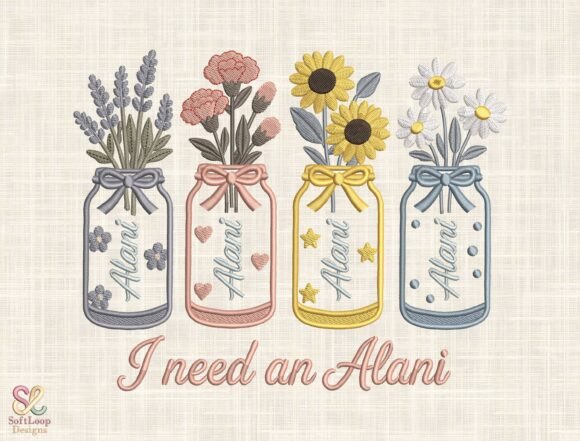
Review: Floral Mason Jar Embroidery Design for Business
As an embroidery designer who has spent years digitizing and testing files for commercial use, I approach every new machine embroidery design with a critical eye. It is not just about whether a pattern looks pretty on a screen; it is about how it performs in the real world of small business merchandise. Recently, I evaluated the Floral Mason Jar Embroidery Design, a piece that immediately caught my attention for its potential in the spring market. This review breaks down how this specific asset functions for branded patches, custom apparel, and boutique products.
First Impressions and Visual Personality
The first thing you notice about the Floral Mason Jar Embroidery Design is its charming, rustic aesthetic. The description highlights "personalized charm" and features floral elements like daisies and sunflowers, which suggests a warm, handmade vibe. For a brand identity rooted in nature, wellness, or artisanal crafts, this visual language is powerful. It does not scream corporate stiffness; instead, it whispers friendliness and approachability.
From a design perspective, the combination of a mason jar—a symbol of preservation and homecraft—with vibrant blooms creates a balanced composition. It feels decorative yet structured. For Etsy sellers and handmade brands, this aligns perfectly with current consumer trends that favor authenticity over mass-produced perfection. However, as a professional, I look beyond the surface. Is the digitizing clean? Will the thread colors pop against various fabric textures? These are the questions that determine if a design is merely decorative or truly viable for commercial embroidery.
Real-World Applications for Small Business Merch
When considering where to apply this embroidery file, versatility is key. Here is how I envision this design performing across different product lines for cafes, boutiques, and creative studios:
- Tote Bag Design: This is perhaps the most natural fit. A canvas tote featuring this floral mason jar becomes an instant statement piece. The sturdy fabric of a tote bag supports the stitch density required for detailed floral work, ensuring the finished product looks premium.
- Apron Embroidery: For bakeries, florists, or coffee shops, staff uniforms are walking billboards. Placing this design on the chest or lower corner of an apron adds a touch of elegance without being overwhelming. It reinforces the brand’s connection to fresh, natural ingredients.
- Embroidered Patch: Creating a cut-out patch allows for maximum flexibility. Customers can iron or sew these onto denim jackets, backpacks, or hats. This turns a single design into multiple revenue streams, as patches are low-cost, high-margin items.
- Cap Embroidery: While possible, this requires careful placement. The curved surface of a cap front can distort wide designs. I recommend using this as a side-panel accent or ensuring the digitized width is narrow enough to sit comfortably on the front panel without wrapping around the edges.
- Product Packaging Accents: Imagine this design embroidered on a small fabric tag attached to your handmade soaps or candles. It elevates the unboxing experience and serves as a keepsake, enhancing customer trust and perceived value.
Navigating Technical Challenges and Fabric Constraints
While the Floral Mason Jar Embroidery Design is visually appealing, technical execution is where many small businesses stumble. You must consider the stitch density and the fabric texture of your chosen medium. Delicate fabrics like silk or thin rayon may pucker under heavy floral stitching. In such cases, using a high-quality cut-away stabilizer is non-negotiable to maintain the integrity of the design.
Another critical factor is color contrast. The design likely relies on bright thread colors to distinguish the flowers from the jar. If you are embroidering on dark uniforms or navy tote bags, you must ensure the digitized file includes proper underlay stitches to prevent the background fabric from showing through. Always test the design on the actual material you plan to sell. A printable mockup is useful for marketing, but it cannot reveal how the thread interacts with the weave of the fabric.
Be cautious with small details. If the design includes tiny lettering or intricate petal outlines, these may get lost if the hoop size is too small or if the design is scaled down significantly for a pocket logo. Always check the minimum recommended size provided by the digitizer. If this information is not explicitly stated in the product details, reach out to the seller or conduct your own scale tests before committing to a large production run.
Impact on Brand Identity and Customer Engagement
Using a cohesive design like the Floral Mason Jar Embroidery Design strengthens your brand identity. Consistency in visual assets helps customers recognize your products instantly. When a customer sees this specific floral motif on your tote bags, aprons, and social media graphics, it creates a sense of professionalism and reliability. It signals that you care about the details, which translates to higher perceived value.
Moreover, seasonal relevance plays a huge role in sales. As a Spring-themed design, it taps into the renewed energy and purchasing habits of the season. Launching a limited-edition collection featuring this embroidery can drive urgency and engagement. It gives your audience a reason to visit your shop now, rather than later. For digital embroidery file buyers, offering this as part of a seasonal bundle can increase average order value.
Practical Notes for the Professional Embroiderer
Before you load this design into your machine for a client order or your own inventory, follow these essential steps:
- Test in Black and White: Before committing to colorful threads, stitch out the design in monochrome. This helps you identify any spacing issues or overlapping stitches that might cause thread breaks.
- Check Hoop Size Compatibility: Ensure the design fits within your standard hoop sizes. If it requires a large hoop, calculate if that increases your production time or material waste.
- Verify Commercial Licensing: Never assume a digital embroidery file includes commercial rights. Confirm that you are licensed to use the Floral Mason Jar Embroidery Design for goods you intend to sell. This protects your business from legal issues.
- Create Client Mockups: If you are doing custom work, place the design on a photo of the actual garment. This manages client expectations and reduces the likelihood of revisions after stitching.
- Compare with Existing Assets: Lay this design beside your other brand elements. Does it complement your logo? Does it clash with your typical color palette? Visual consistency is crucial for a polished brand presentation.
In conclusion, the Floral Mason Jar Embroidery Design is a strong contender for small business merchandising, particularly for brands leaning into rustic, natural, or handmade aesthetics. Its strength lies in its emotional appeal and versatility across tote bags, aprons, and patches. However, success depends on technical diligence. By respecting fabric limitations, optimizing stitch density, and verifying licensing, you can transform this digital asset into a profitable component of your product line. Whether you are an Etsy seller looking to refresh your spring collection or a local cafe updating staff uniforms, this design offers a blend of charm and professionalism that resonates with modern consumers.