Floral Bird Cage: A Designer’s Review for Craft Fairs
As an embroidery designer who has spent countless hours behind the hoop and even more standing behind a booth table at weekend markets, I look at every new machine embroidery design with a critical eye. It is not just about whether the design looks pretty on a screen; it is about whether it will stop a shopper in their tracks, survive the wash, and ultimately pay for my time and materials. Recently, I reviewed the Floral Bird Cage, a piece from the Bouquets Bunches collection, and I want to share my honest assessment of how this design performs in the real world of handmade sales.
First Impressions: Whimsy Meets Elegance
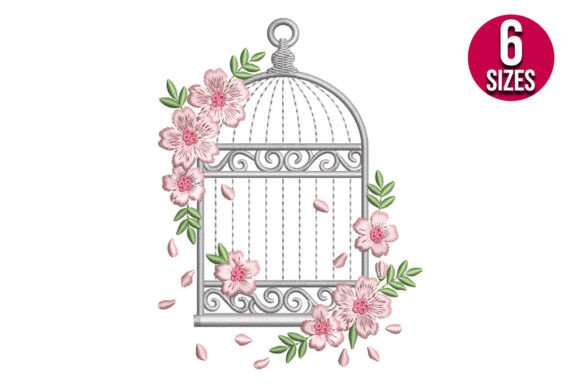
The first thing that strikes you about the Floral Bird Cage is its balance. In a market saturated with overly rustic or strictly modern minimalism, this design offers a refreshing blend of nature’s beauty and whimsical artistry. The description promises blooming flowers and intricate details, and visually, it delivers a sense of contained wildness. It feels decorative yet approachable, making it a versatile asset for any small shop product line.
For craft fair sellers, first impressions are everything. You have seconds to capture attention. This design does not scream for attention with neon brightness; instead, it invites the viewer to lean in. It suggests a premium, boutique quality that appeals to buyers looking for something special rather than mass-produced. Whether you categorize your brand as farmhouse, cottagecore, or elegant contemporary, this motif fits seamlessly without feeling out of place.
Product Versatility and Market Appeal
The true test of any embroidery file is its adaptability. I mentally placed the Floral Bird Cage on various items I typically stock for holiday markets and spring fairs. Here is where it shines:
- Tote Bags and Market Bags: This is arguably the strongest application. A large-scale version of the cage centered on a canvas tote creates an instant statement piece. The floral elements provide enough color variation to look vibrant against natural cotton or linen, making it a high-value tote bag design that customers love to photograph.
- Aprons and Tea Towels: For kitchenware, the design adds a touch of charm. As an apron embroidery focal point, it elevates a simple garment into a giftable item. For tea towel embroidery, however, placement is key. It works best as a corner accent or a central medallion, provided the fabric texture is smooth enough to support the detail.
- Patches and Pouches: If you sell accessories, this design translates beautifully into an embroidered patch. The enclosed nature of the cage shape makes it ideal for iron-on or sew-on applications. On small fabric pouches, it serves as a delicate centerpiece that highlights craftsmanship.
- Pillow Covers: For home decor, the whimsical nature of the bird cage pairs well with neutral linens. It adds visual interest without overwhelming a living space, appealing to buyers who want subtle elegance.
For the Etsy seller, this versatility means you can create multiple listings from a single purchase. You can offer finished products like pillows and totes, or use the digital embroidery file to create printable mockups for digital downloads, expanding your revenue streams without additional production costs.
Production Practicalities for the Busy Maker
When preparing for a craft fair, efficiency is crucial. You need designs that are repeatable and reliable. The Floral Bird Cage appears to be structured for clarity, which is vital for batch production. However, there are practical considerations every embroiderer must address before committing to a large run.
Stitch density is a primary concern with intricate floral designs. If the cage bars and flower petals are too densely stitched, the fabric may pucker, especially on lighter materials like tea towels. I recommend testing the design on scrap fabric identical to your final product. Pay close attention to the transition areas between the solid cage structure and the softer floral elements. Proper stabilizer selection is non-negotiable here; a cut-away stabilizer might be necessary for stretchy fabrics like tote bags, while a tear-away could suffice for stable cottons.
Another factor is thread colors. This design likely relies on contrast to define the cage against the blooms. When choosing threads, ensure there is enough distinction between the metal tones of the cage and the vibrant hues of the flowers. On dark fabrics, you may need to adjust the underlay or use a brighter palette to maintain visibility. Always check how the design photographs; high contrast helps your online listings stand out in thumbnail views.
Navigating Technical Challenges
While the design is exquisite, it is not without its challenges. Tiny details can get lost if the hoop size is too small or if the design is scaled down excessively. If you plan to use this on caps or small pouches, verify that the intricate flower centers remain clear. Curved surfaces, like cap fronts, can distort detailed imagery, so careful hooping and possibly digitizing adjustments might be needed for those specific applications.
Additionally, consider the fabric texture. Highly textured towels or rough canvases can obscure fine lines. If the cage bars are thin, they might disappear into the weave of a heavy linen. In such cases, increasing the stitch width slightly or choosing a smoother fabric base will preserve the integrity of the finished product.
Designer Notes for Best Results
To ensure your craft fair product lineup is successful, follow these steps when working with the Floral Bird Cage:
- Test on Scrap Fabric: Never skip this step. Check for puckering, thread breaks, and color blending.
- Check Commercial Licensing: Before selling any commercial embroidery items, confirm the license terms included with the design assets. Ensure you are compliant for physical sales.
- Create Real Mockups: Photograph the actual stitched item, not just the digital preview. Buyers want to see the texture and sheen of the threads.
- Compare Fabric Colors: Stitch the design on white, cream, navy, and pastel fabrics to see which combination yields the highest visual appeal.
- Inspect Stitch Density: If the design feels stiff after stitching, consider reducing density in non-critical areas if you have editing software, or switch to a lighter weight thread.
Enhancing Brand Consistency and Buyer Engagement
Ultimately, the Floral Bird Cage is more than just a pattern; it is a tool for building your brand. Using consistent, high-quality motifs across your product line creates a cohesive look that customers recognize and trust. When a buyer sees this design on a tote, then again on a pillow, it reinforces your aesthetic identity. This consistency boosts perceived value and encourages multiple purchases.
In a crowded marketplace, items that tell a story or evoke a feeling sell best. This design evokes nostalgia, freedom, and natural beauty. Use these themes in your booth display and social media captions. Highlight the handcrafted nature of each piece, emphasizing the time and skill involved in creating such a detailed handmade product. By positioning the Floral Bird Cage as a premium, artisanal element, you justify higher price points and attract customers who value quality over quantity.
In conclusion, the Floral Bird Cage is a strong contender for your next production cycle. It offers the right mix of visual appeal and practical versatility for todays handmade market. With careful attention to technical details and strategic product placement, it can become a staple in your shop, driving both foot traffic at fairs and clicks online. Remember to check the specific file formats and hoop size requirements provided with the download, and always prioritize quality control in your final stitches.